Ivan Zhakata and Anesu January
GOVERNMENT has called for urgent action to address rising cases of gender-based violence, mental health challenges, digital harm and drug abuse among university students.
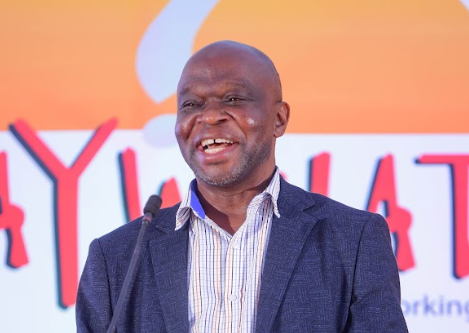
Speaking at the 15th National Students Conference held at Harare Institute of Technology yesterday, the Permanent Secretary in the Ministry of Youth Empowerment, Development and Vocational Training, Mr Solomon Mhlanga said young people were not passive recipients of policy but architects of Zimbabwe’s future.
He implored all stakeholders to support youth-led initiatives to transform health, education and social outcomes on campuses.
“I stand before you, not merely as a Government representative, but as someone who believes deeply in the power of young people to transform not just our public institutions, but our entire region,” he said.
Mr Mhlanga commended SAYWHAT for sustaining the national student advocacy platform for almost two decades and highlighted the ministry’s efforts to strengthen vocational training, expand access to mental health services and advance digital literacy.
He said the challenges raised by students required collective responsibility and called on Parliament, development partners, civil society and the private sector to join hands in investing in youth-led solutions, scaling innovations and creating safe, inclusive spaces for learning and growth.
Canadian Ambassador to Zimbabwe, Mr Adler Aristilde said the conference coincided with the launch of the 16 Days of Activism Against Gender-Based Violence and warned that violence and mental health issues were escalating among students.
He said one in three women in Zimbabwe experiences physical violence and one in four experiences sexual violence, while over a quarter of university students face depression or anxiety, yet only 16 percent access mental health services and 90 percent report a lack of institutional support.
Ambassador Aristilde said cyberbullying, online harassment and image-based abuse often target young women, deepening psychological distress.
He pledged Canada’s continued support for anti-harassment policies, sexual and reproductive health initiatives, digital safety programmes and youth-led economic empowerment projects and urged students to break the silence on harassment, mental health challenges and gender-based violence.
“Your crystal vision must not gather dust. It should ignite the fire in you. It should guide your actions and inspire accountability,” he said.
HIT Pro Vice Chancellor for Academic Affairs, Mr Willard Gwarimbo said students’ well-being, mental, social and academic was central to Zimbabwe’s human capital development.
Mr Gwarimbo said drug and substance abuse continued to destroy young lives and undermine national productivity.
He said the crisis required a coordinated response involving prevention, rehabilitation, community engagement and police support.
Mr Gwarimbo said the conference offered a timely platform for generating practical solutions to government, institutions and development partners.
He urged the creation of safe, inclusive and supportive learning environments as essential to achieving Vision 2030 and the Sustainable Development Goals.
SAYWHAT executive director, Mr Jimmy Wilford reflected on the organisation’s journey since 2006 and said the platform had transformed student advocacy and provided young people with opportunities to influence national policy.
He said the Web for Life initiative gave young women safe spaces to confront gender-based violence, sexual harassment, and limited access to sexual and reproductive health services, and the cultural mentoring model of mugota which encouraged young men to take responsibility and become advocates in eliminating gender-based violence.
Mr Wilford said the conference had continued to guide future leaders despite resource challenges and that the participation of delegates from Botswana, Malawi, Namibia and Zambia .
He said youth challenges are regional and require collaborative solutions.
The conference continues with policy dialogues and evidence-based presentations, giving students an opportunity to shape national and regional strategies on health, education and youth empowerment.



Leave a Reply